
SUGGESTED RESULTS
THERE ARE NO SUGGESTED RESULTS
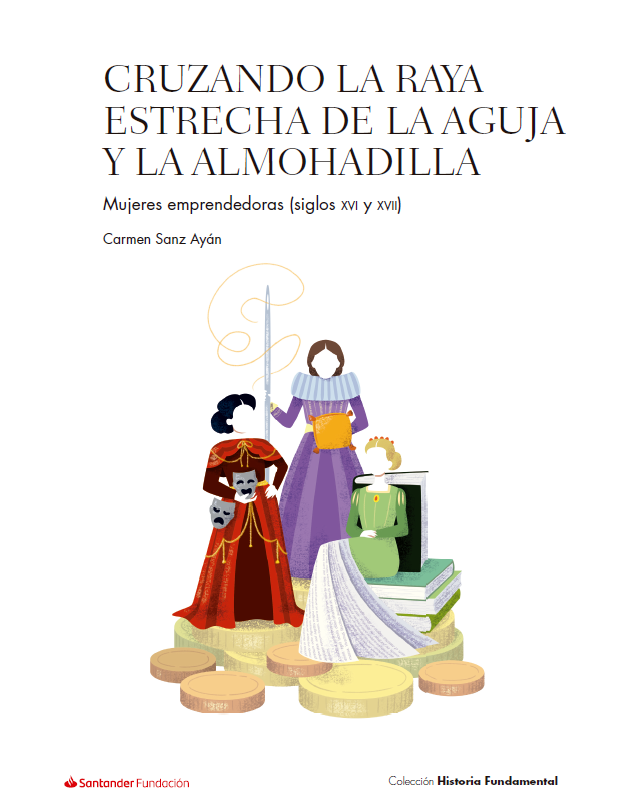

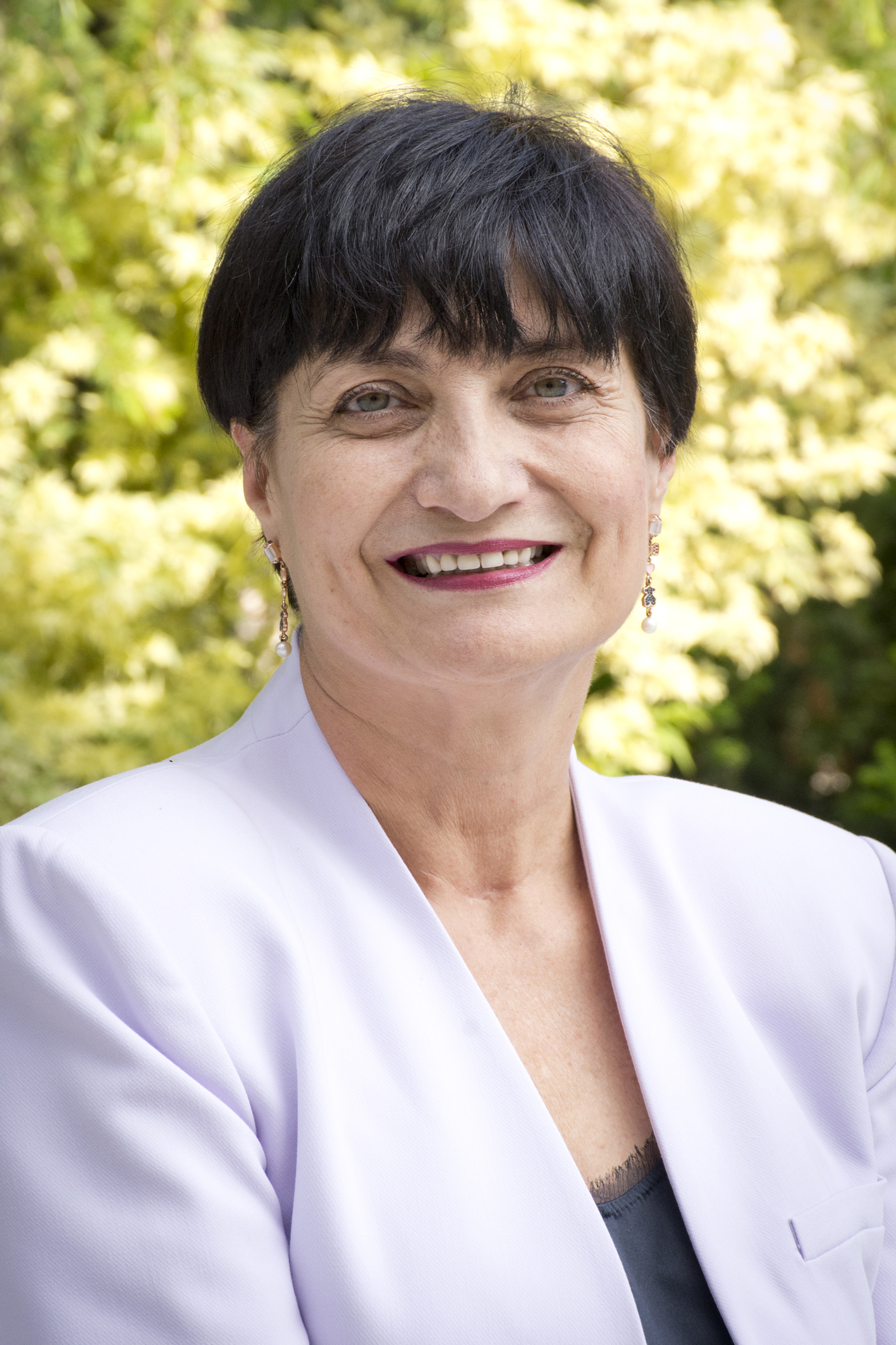
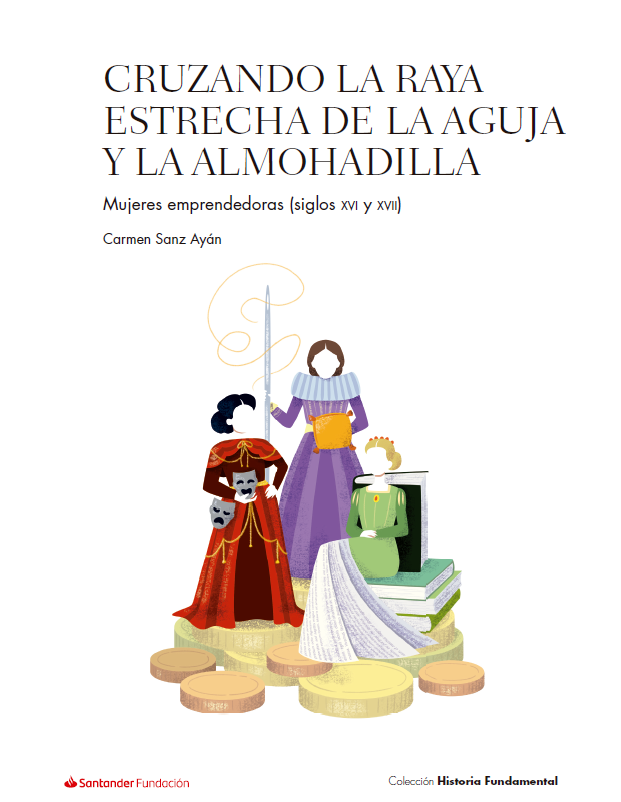
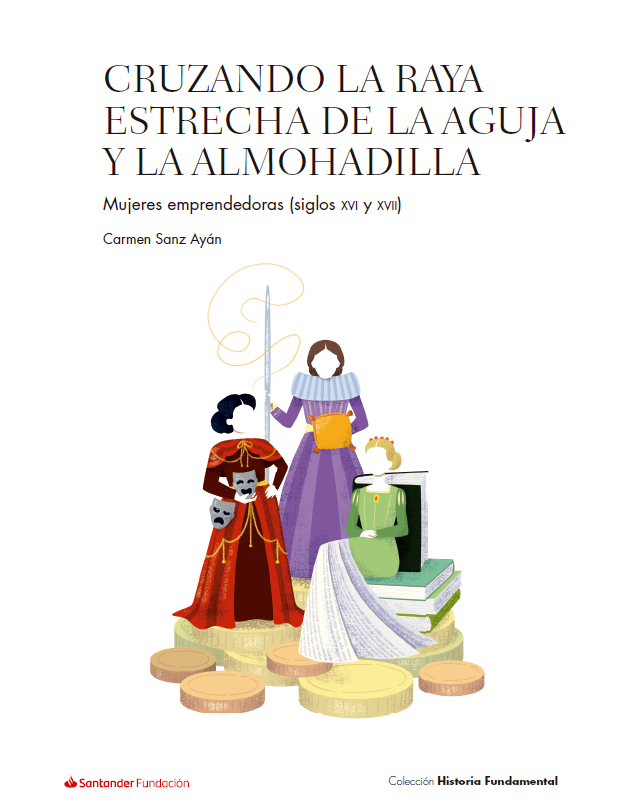
- Fundación Banco Santander presents Cruzando la raya estrecha de la aguja y la almohadilla. Mujeres emprendedoras de los siglos XVI y XVII, the latest volume in the Historia Fundamental collection, authored by renowned schokar and professor Carmen Sanz Ayán.
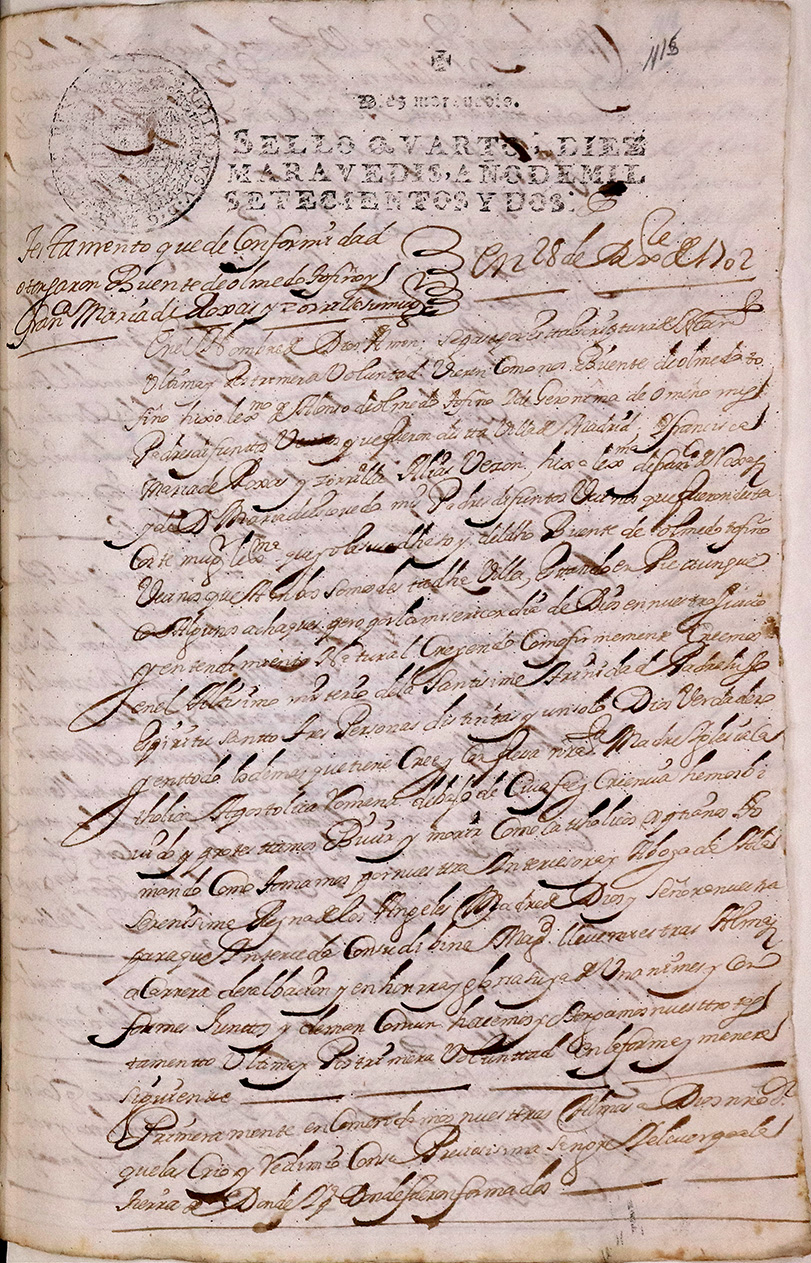
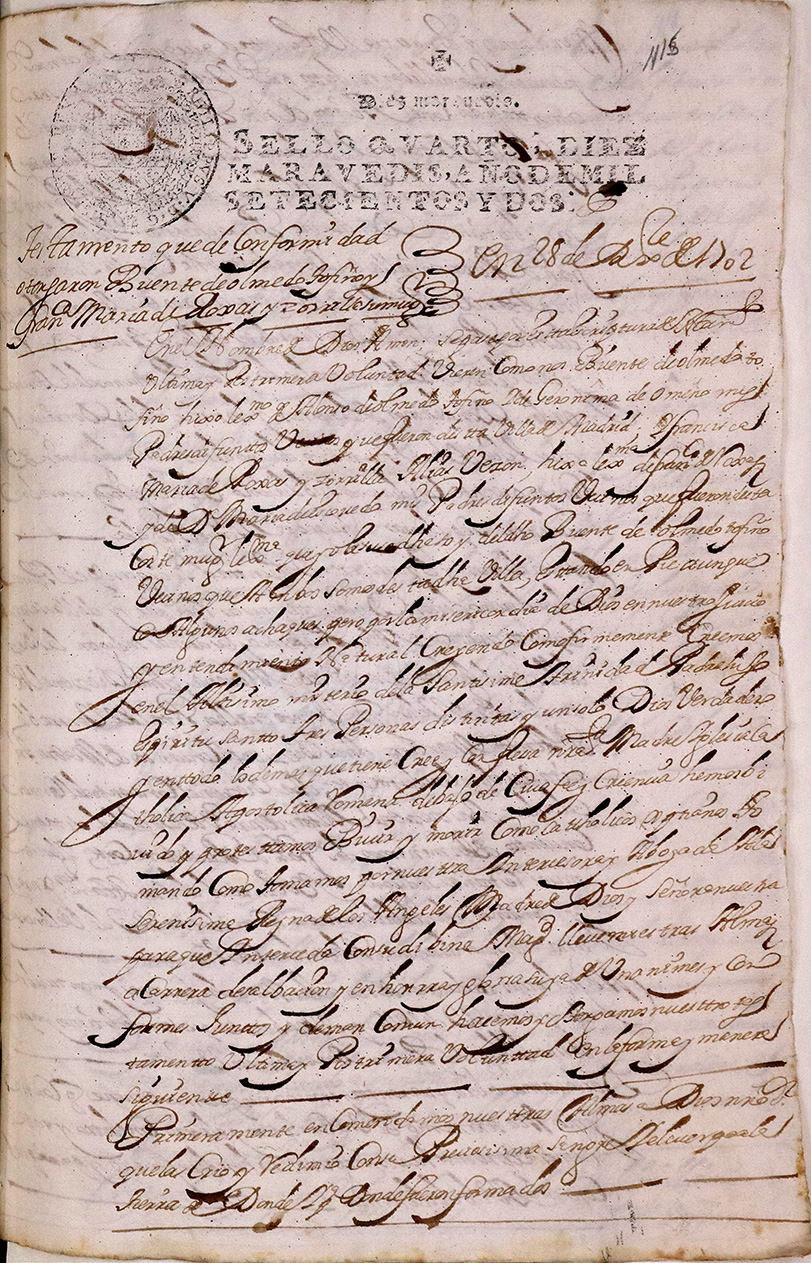
- This research debunks the stereotypes associated with women of the period and the social organisation of the Habsburg Empire, using previously unpublished documents that reveal a little-known part of Spanish women's history of entrepreneurship in the territories of the Spanish monarchy.
- The historian offers an in-depth analysis of women’s roles in trade and finance, the book industry—printers, publishers, engravers, and booksellers—as well as in the theatre, where actresses, company directors, and authors emerged as entrepreneurs.
- Financial expert Cassandra Grimaldo, theatre entrepreneur María Bezón, booksellers María de Armenteros and María del Ribero, and engraver María Eugenia de Beer are just some of the more than 150 women whose stories and work are recounted in this volume.
- The book is accompanied by an exclusive interview with Carmen Sanz Ayán, available free of charge on the Banco Santander Foundation website. The volume is available in EPUB and audiobook formats.
- The volume will be presented on 17 September at 7 p.m. at the Camilo José Cela University Forum (c/Juan Hurtado de Mendoza, 4).
Madrid, 16 de septiembre de 2025 - PRESS RELEASE
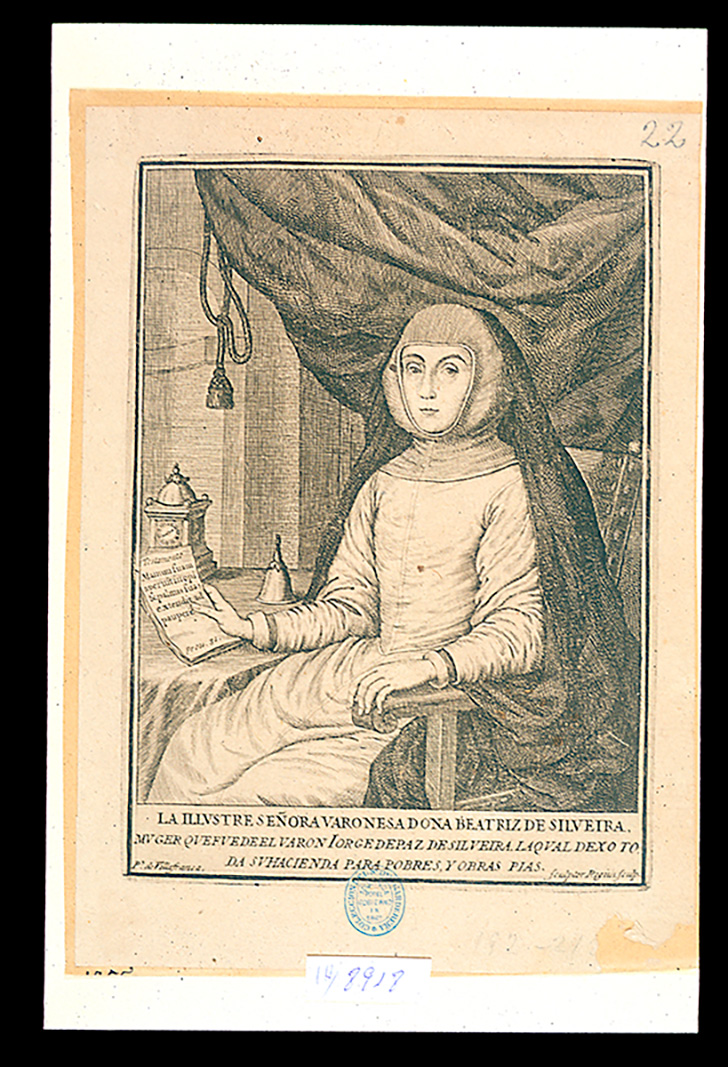
Fundación Banco Santander continues to shed light on obscure corners of history with this new volume in the Historia Fundamental collection, written by academic Carmen Sanz Ayán. Cruzando la raya estrecha de la aguja y la almohadilla. Mujeres emprendedoras de los siglos XVI y XVII (Crossing the Narrow Line Between the Needle and the Cushion: Female Entrepreneurs in the 16th and 17th Centuries) is an in-depth and extensive study that recounts the lives of more than 150 female entrepreneurs of the period. Merchants, financiers, actresses, theatre company directors, engravers, printers... Through meticulous document analysis and Sanz Ayán's research, the image of women in the 16th and 17th centuries is, in a sense, demystified.
"The title is an expression used by several writers of the Golden Age and refers to the tasks that women had to perform in all circumstances, their social role," explains Sanz. "The needle and the cushion were their destiny, their daily work. All the women who appear in this book are those who have decided to cross the line. Not to be tied to the needle and thimble, or to combine it with other things."
The book emerges from the author’s recognition of the need to explain the social realities of this period, which are often presented in a very superficial manner, except within the world of specialists, and where stereotypes are applied systematically. “I do not write gender history” comments the author “but I do write social and economic history, and I always kept coming across women. The question immediately emerged: if legally they were not allowed to conduct business, and, yet they did, we need to understand under what legal status they carried out their work, and, how they went about it” explains Sanz “this has been a project spanning many years”.
“Carmen has brought to light a reality that contrasts with the stereotypes many of us hold about his period in our history. An essay that recovers such a varied and comprehensive list of female entrepreneurs was long overdue, and it will surely become a reference work”, affirms Javier Expósito, Director of History at Fundación Banco Santander.
The book addresses women's entrepreneurship in three main sectors: business, publishing, and the performing arts.
Regarding the business world, according to the book, 57% of women married to merchants in the 16th century knew how to sign their names, and more than half had basic but sufficient knowledge to be able to issue promissory notes or prepare accounts.
Within this section, an extensive chapter is devoted to Casandra Grimaldo, as hers is a completely atypical case. Most female entrepreneurs at that time were widows who had taken over their husbands' businesses. In Casandra's case, while still unmarried, she was the right-hand woman of her father, who became Felipe II's most important financier. She later married a businessman, and when he died, she became her husband's sole heir and managed all his assets. Thanks to the research of Carmen Sanz Ayán, we now know that she was an agent for other financiers and acted as an intermediary between the Treasury and the Chief Accountant's Office for other businessmen who had difficulties collecting payments, which clearly shows that she was an influential person with a solid network of contacts.
Regarding the world of theatrical entertainment, between 1540 and 1710, 11% of the management of theatres and tablaos in Spain was carried out by women. "This data tells us that women are essential in the world of commercial theatre. They are very visible, they acquire fame, and they sustain the companies," says Sanz. In 1586, a law was passed to censor the presence of women in the theatre, but fourteen women wrote a memorial to oppose it and managed to ensure that the ban did not last even a year, which was a great triumph. "Women were valued and respected for their work, and many ended up becoming company directors," explains the author.
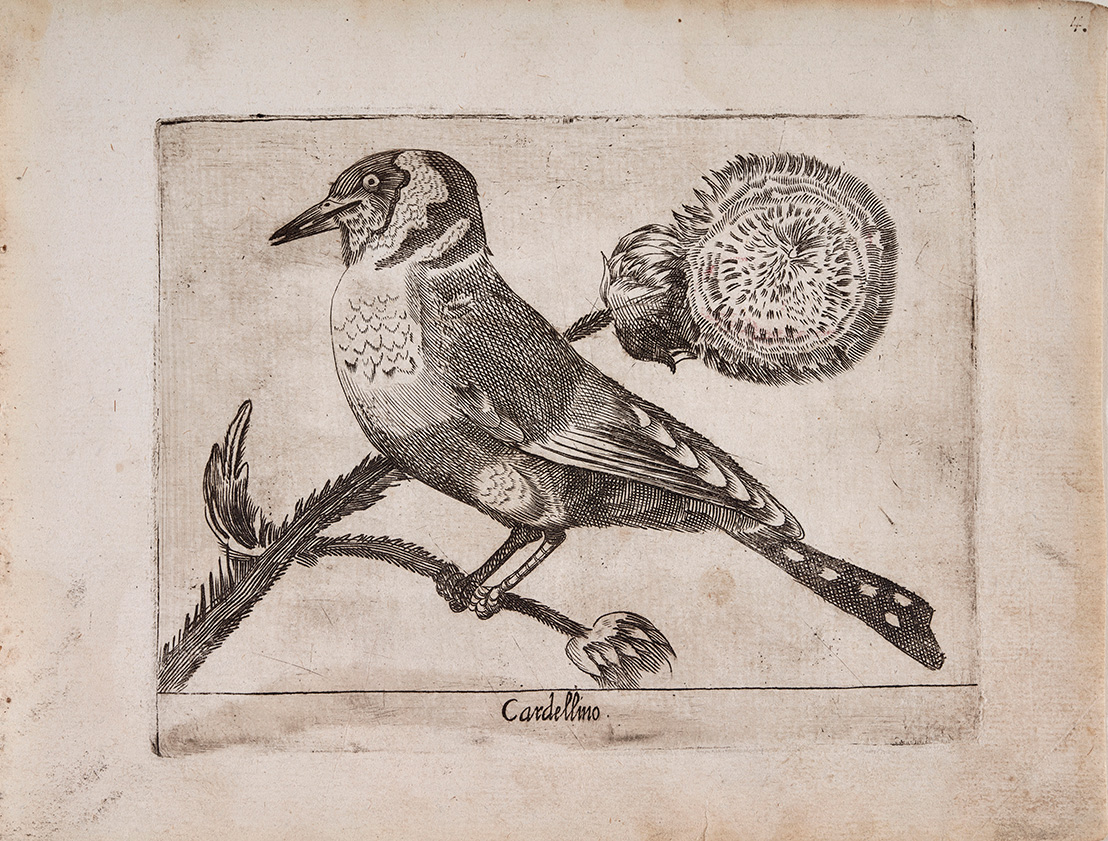
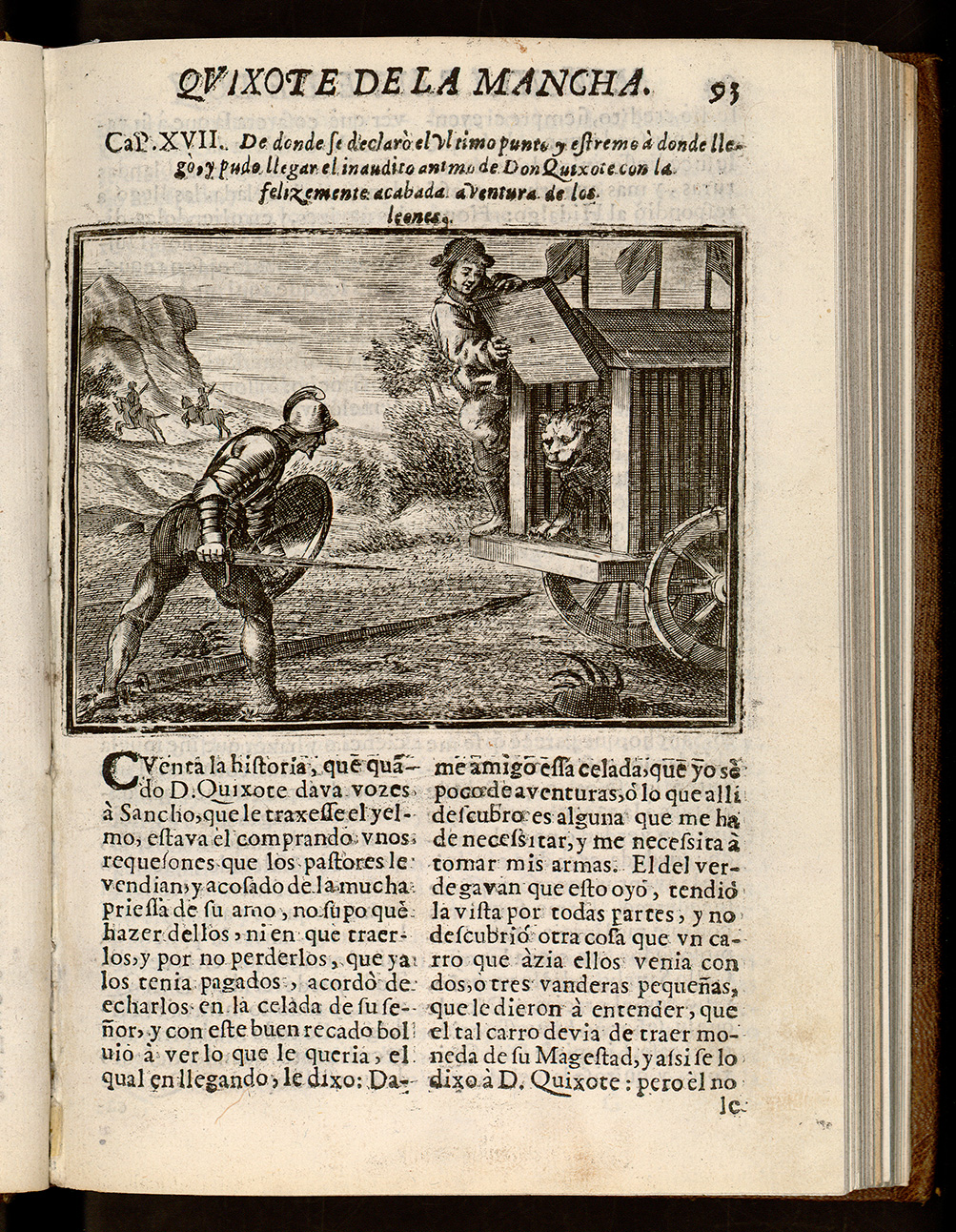
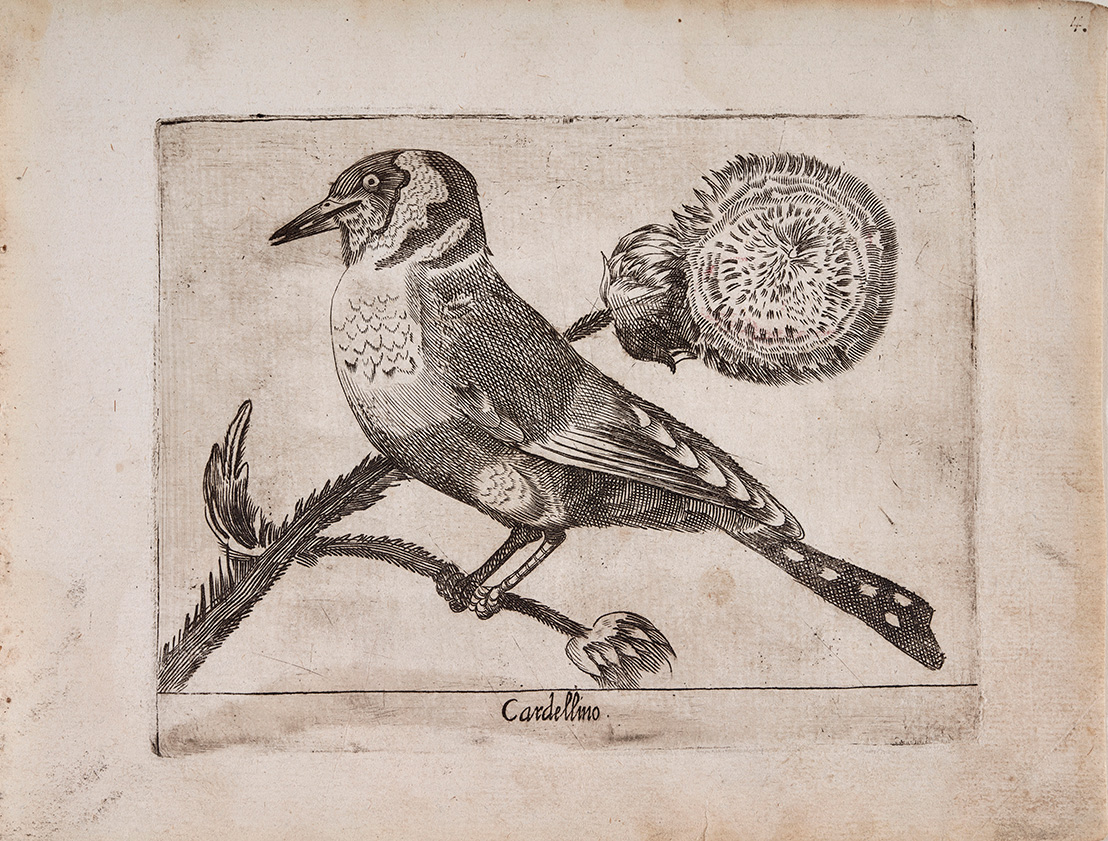
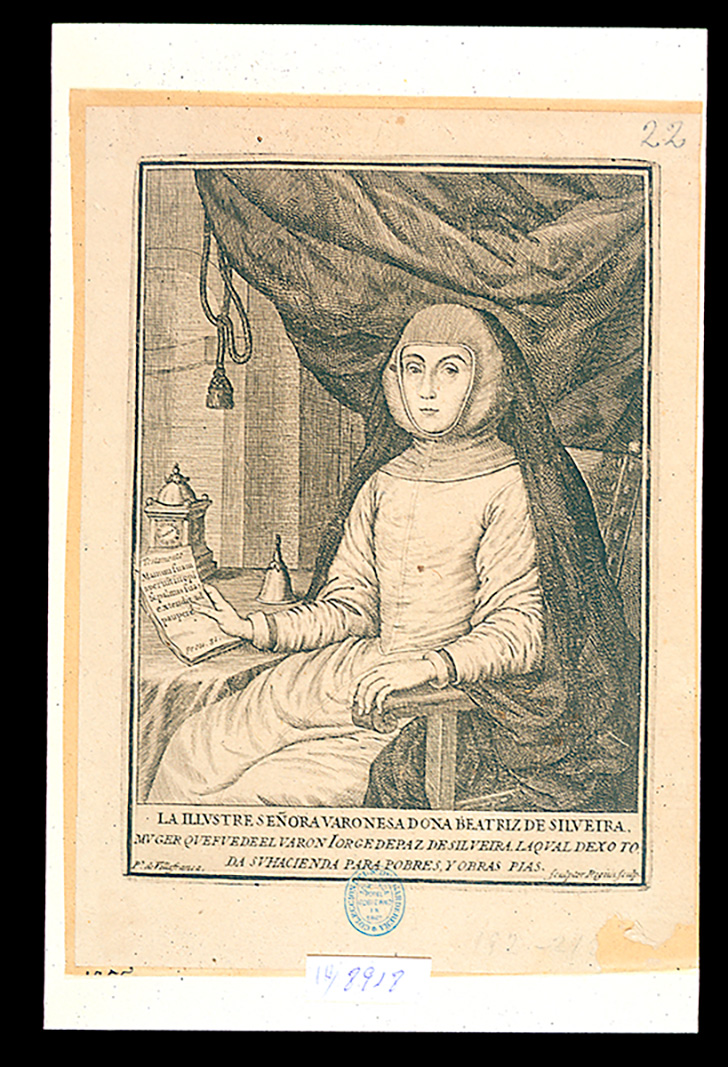
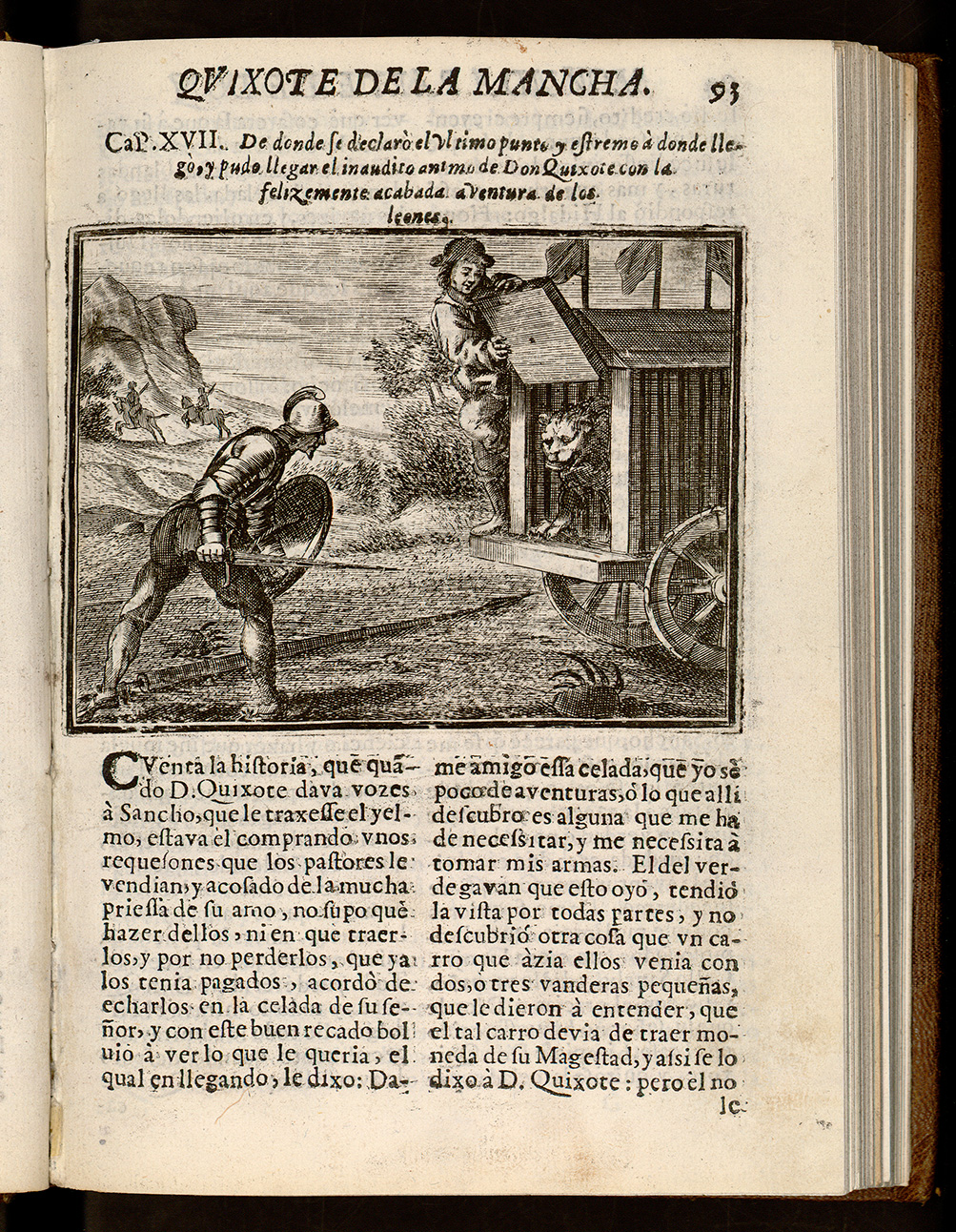
In terms of the book industry, María de Armenteros stands out, among others, as the editor of the first illustrated edition of Don Quixote published in Spain. The book also includes some of the engravings from the Cuaderno de Aves that María Eugenia de Beer made for Prince Baltasar Carlos. Teresa de Cartagena (late 15th century) also stands out for her visionary work, La arboleda de los enfermos, a book of consolation intended for deaf people, as she herself suffered from the same disability.
“The role of women in society under the Ancien Régime has been little studied. My aim with this book was to learn more and open doors to new research. To show that we are dealing with a complex society, which is not as stereotypical or stagnant as the discourses of the Enlightenment have portrayed, and, of course, to change the way we look at this society," concludes Sanz.
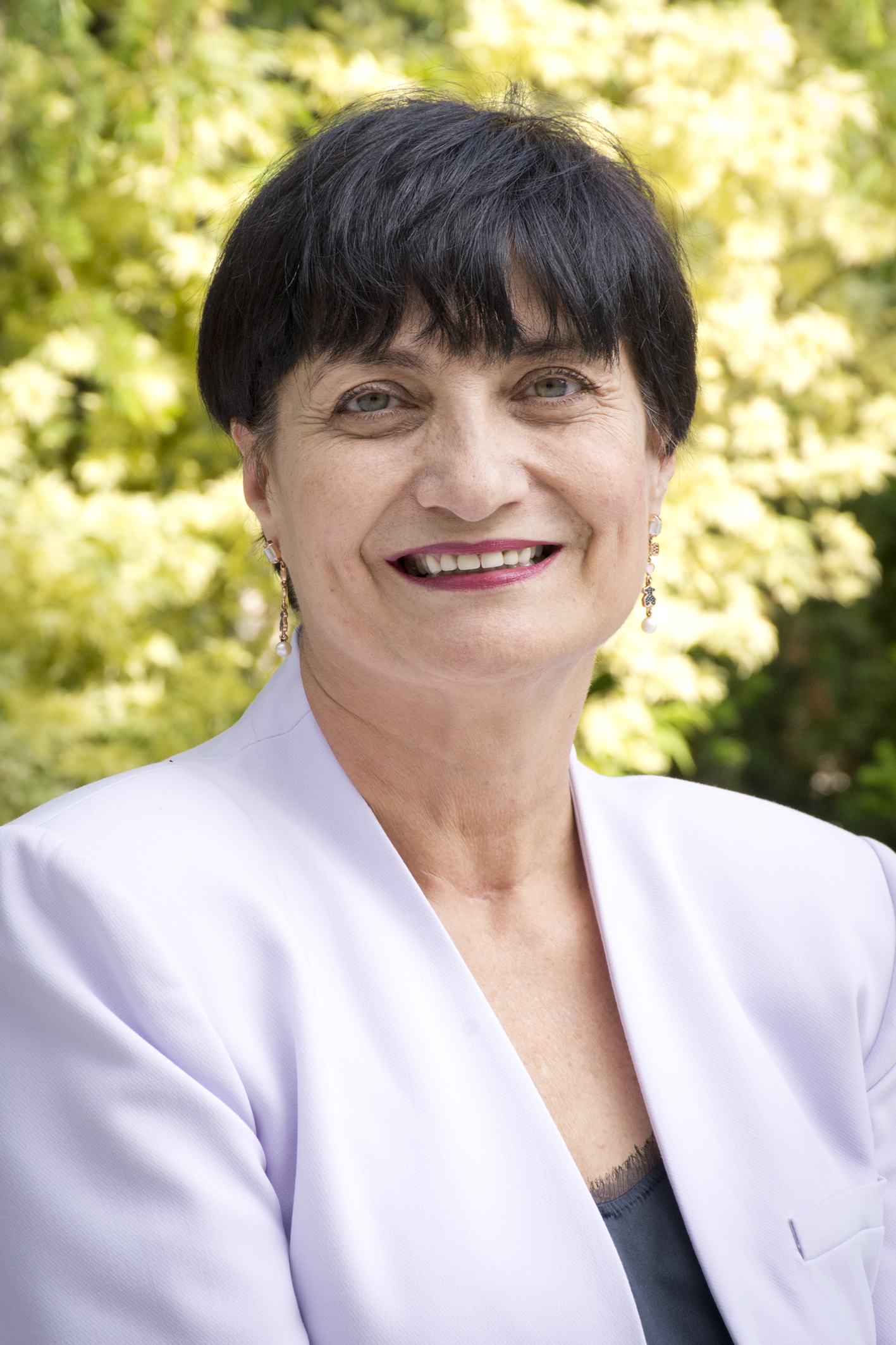
Carmen Sanz Ayán is a member of the Royal Academy of History, Professor of Early Modern History at the Complutense University of Madrid, a specialist in financial networks in Europe and America and recipient of the 2014 National History Award.
The volume will be presented on 17 September at 7:00 p.m. at the Camilo José Cela University Forum. Admission will be free until full capacity is reached.